

Georgie Butler
Credit: CreativeReview
Everyone loves a holiday. Getting to and from your destination, however, rarely inspires the same enthusiasm.
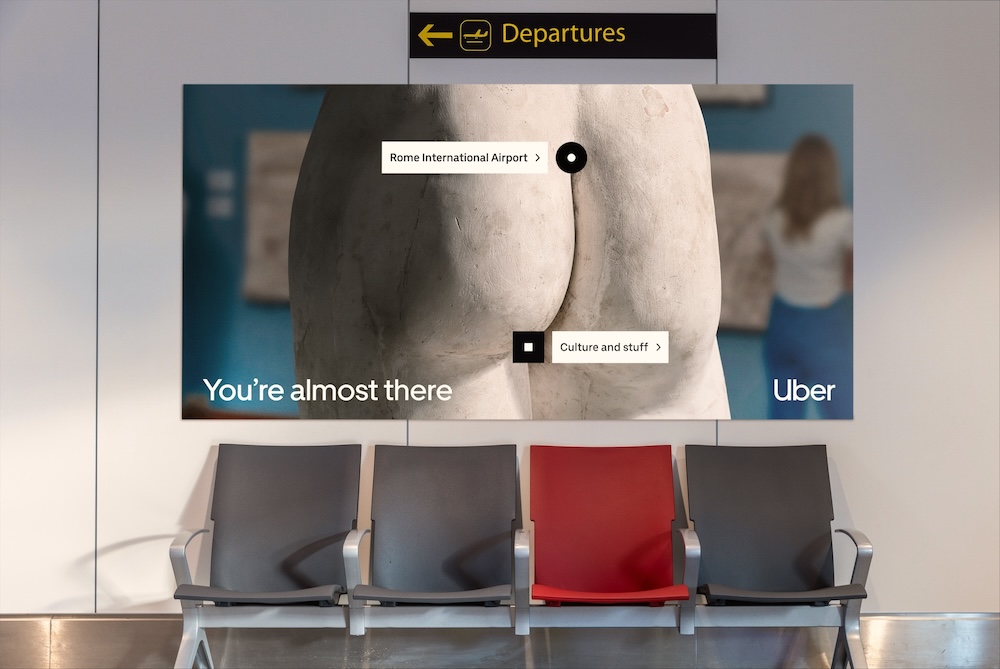
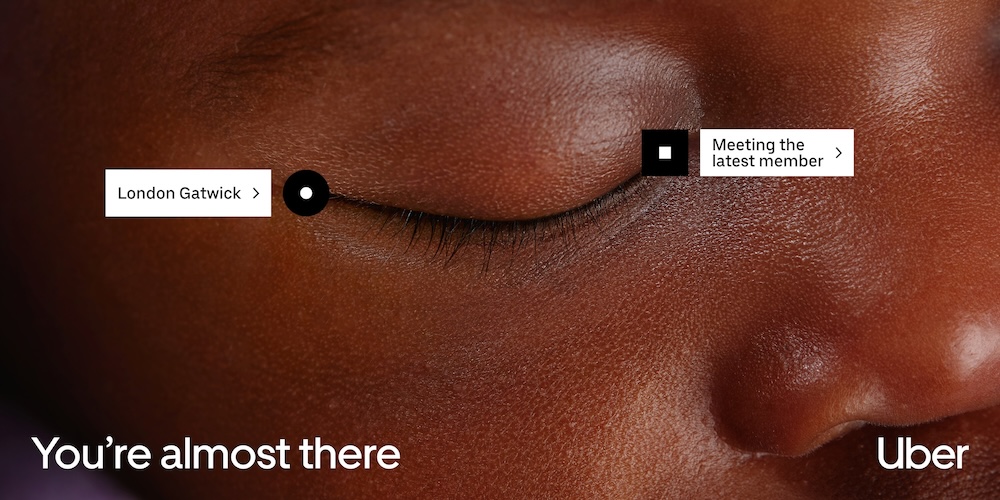
Uber’s You’re Almost There campaign centered the journey as just as important as the destination.
In an out-of-home campaign in partnership with London Gatwick Airport that runs until 2027, Uber set out to get travellers considering its train and coach services when planning their journeys. The brand playfully reimagined its in-app journey line, placing pickup and destination points onto visuals associated with different scenarios, and illustrated the things travellers can’t wait to get to.
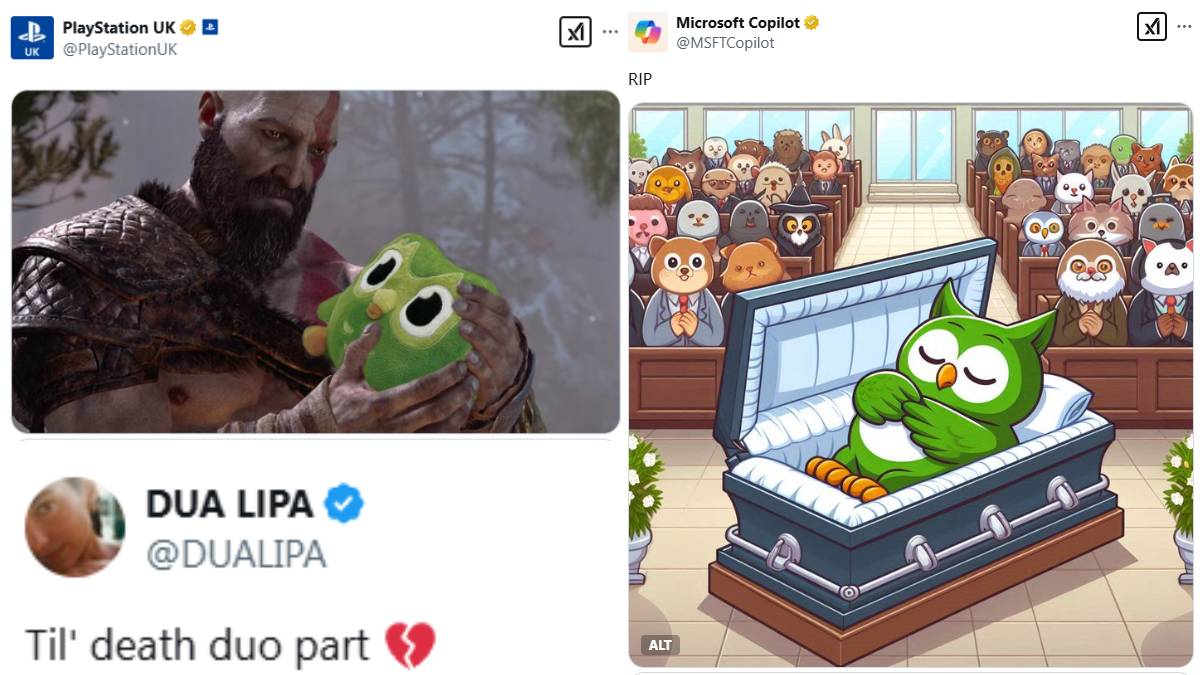
In February, Duolingo really made an impact… when they killed off the brand’s mascot!
Leaning into their chaotic online presence, the language learning platform announced the ‘death’ of the well-known owl character, Duo, because users were not keeping up their streaks.
The social-first campaign sparked a wave of user-generated content on TikTok, with people holding mock funerals and making tribute videos.
It was a massive topic of conversation in our office! And it just proves that B2C brands do not have to be stiff. By using “lore” and humour (and even a little guilt), they drove massive app re-engagement.
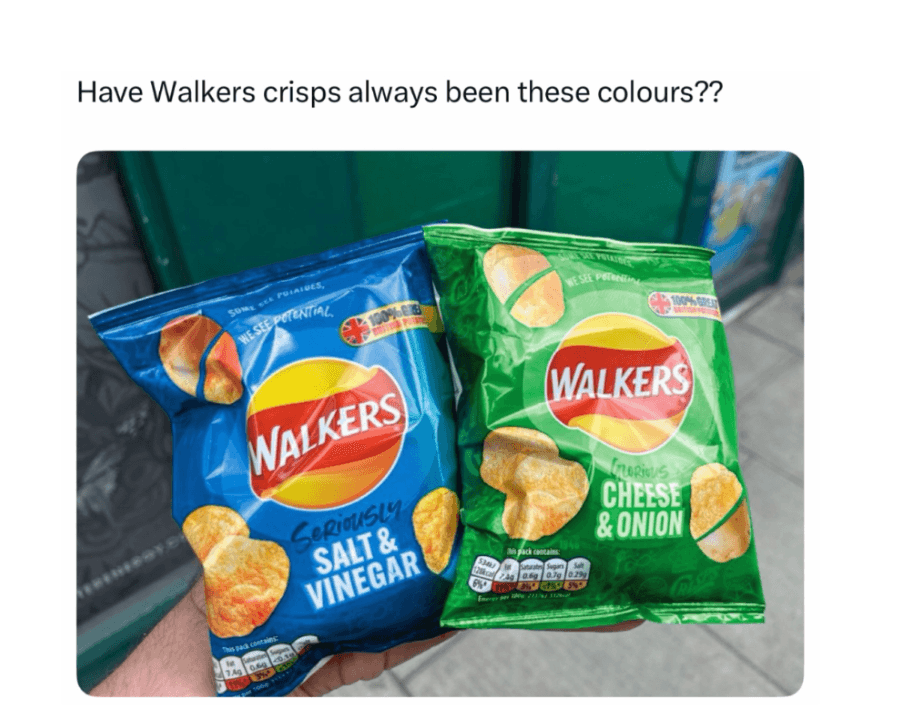
Walkers’ April Fools campaign was one that also impressed. With out-of-home and social media activation, the brand teased fans claiming it would swap the packaging colours of two classic flavours: Cheese & Onion and Salt & Vinegar. It’s the kind of idea that makes you ask, “Why didn’t we think of that?”
The joke played perfectly into a classic British gripe; that consumers feel Cheese & Onion and Salt & Vinegar flavoured crisps have always been in the wrong coloured packets.
And by doing so, the brand sparked instant engagement online, with people expressing their own strong opinions.
Reactions varied from delighted:
to absolutely horrified:
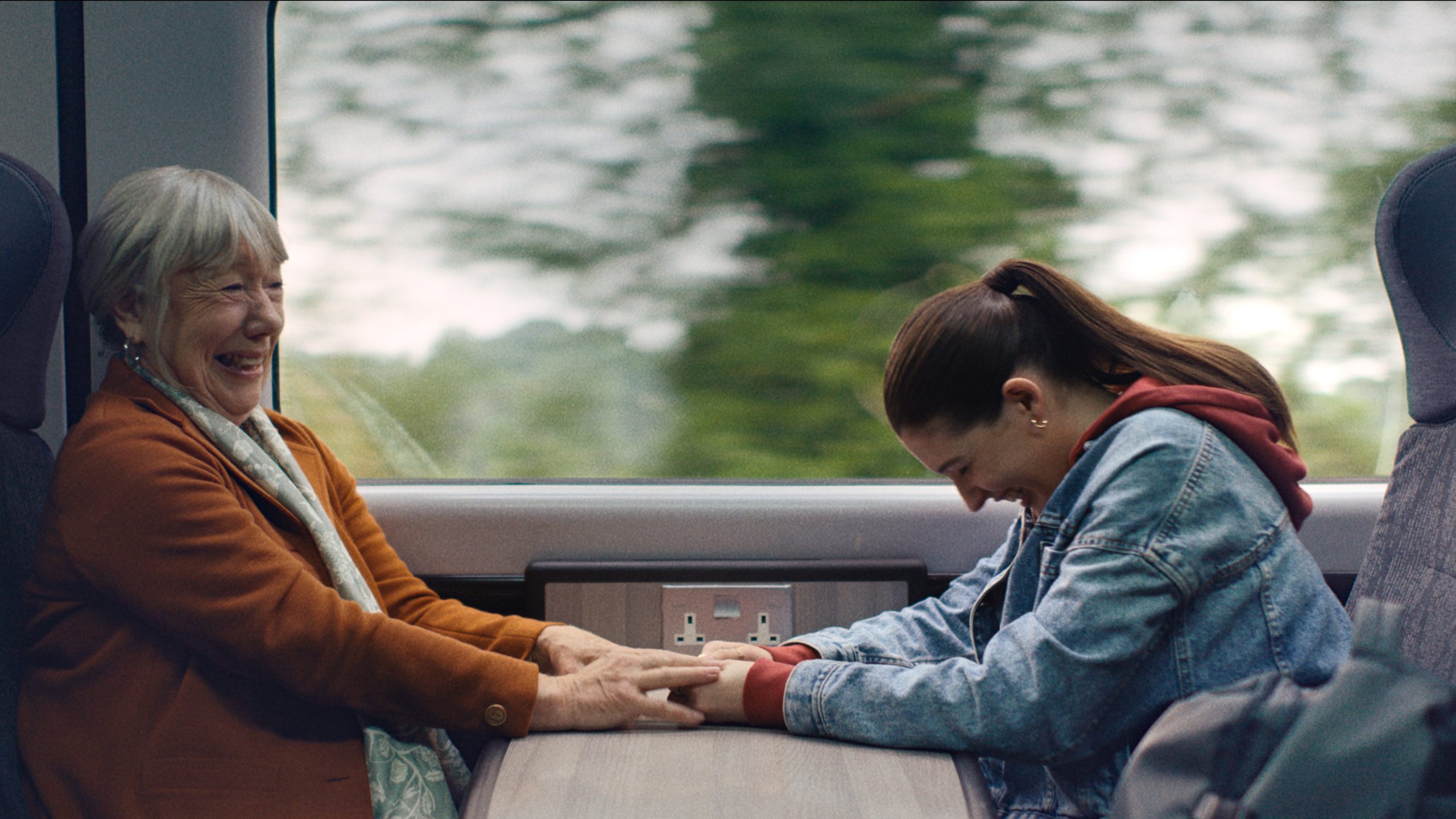
Credit: TMC, National Rail
In a year where technology (specifically AI) often took centre stage, National Rail’s “On the train you can” campaign was aptly timed and cleverly positioned. It was a refreshing celebration of something undeniably human: the joy of everyday connection.
We loved that it moved away from the usual tropes of delays, cancellations or commuting woes, to something else that everyone can relate to. The advert focused on the unexpected conversations that can only happen when people are together and not distracted. And, National Rail reminded us that sometimes the most meaningful connections happen offline, in the most ordinary of places.
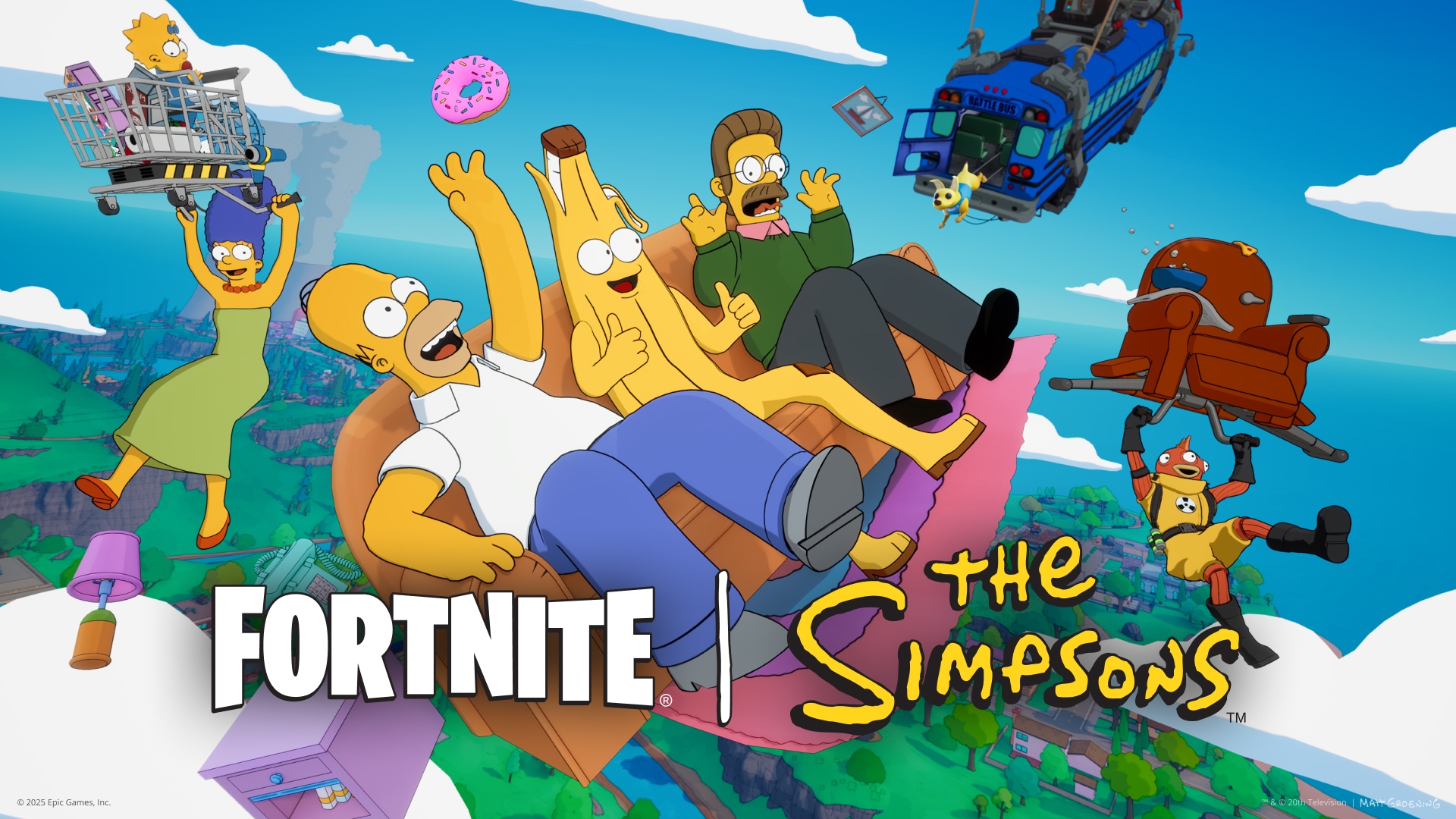
Credit: Fortnite
Fortnite continued to prove it has moved far beyond just being a game for kids, with collaborations spanning music and television sub cultures. Two of the most impactful were its interactive Daft Punk concert experience and the launch of The Simpsons skins inspired by the show’s classic 90s era.
These collaborations were a masterclass in demographic targeting. By leaning into legacy IP, Fortnite attracted older players who grew up with these cultural icons, while simultaneously introducing them to a new Gen Alpha audience.
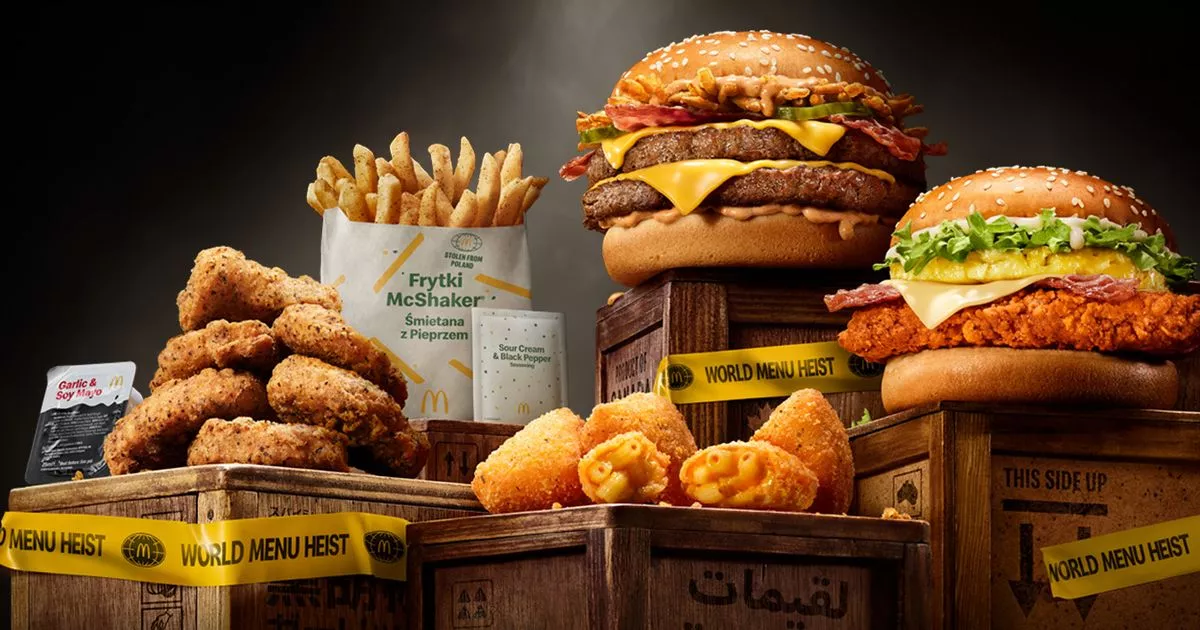
Credit: Yorkshire Live
From late October into November, McDonald’s pulled off The World Menu Heist.
It framed limited-edition international items such as the Aussie Pineapple McSpicy as “smuggled” treasures or contraband arriving on UK shores.
This campaign addressed two aspects: existing user generated content and drop culture. For years, social media users have sparked engagement around “McDonald’s in Japan” or “McDonald’s in France” and the brand finally turned that curiosity into something specific.
Tapping directly into drop culture, the campaign also used scarcity and exclusivity to build hype. After all, the thrill of getting your hands on something not everyone can, continues to drive engagement and sales.
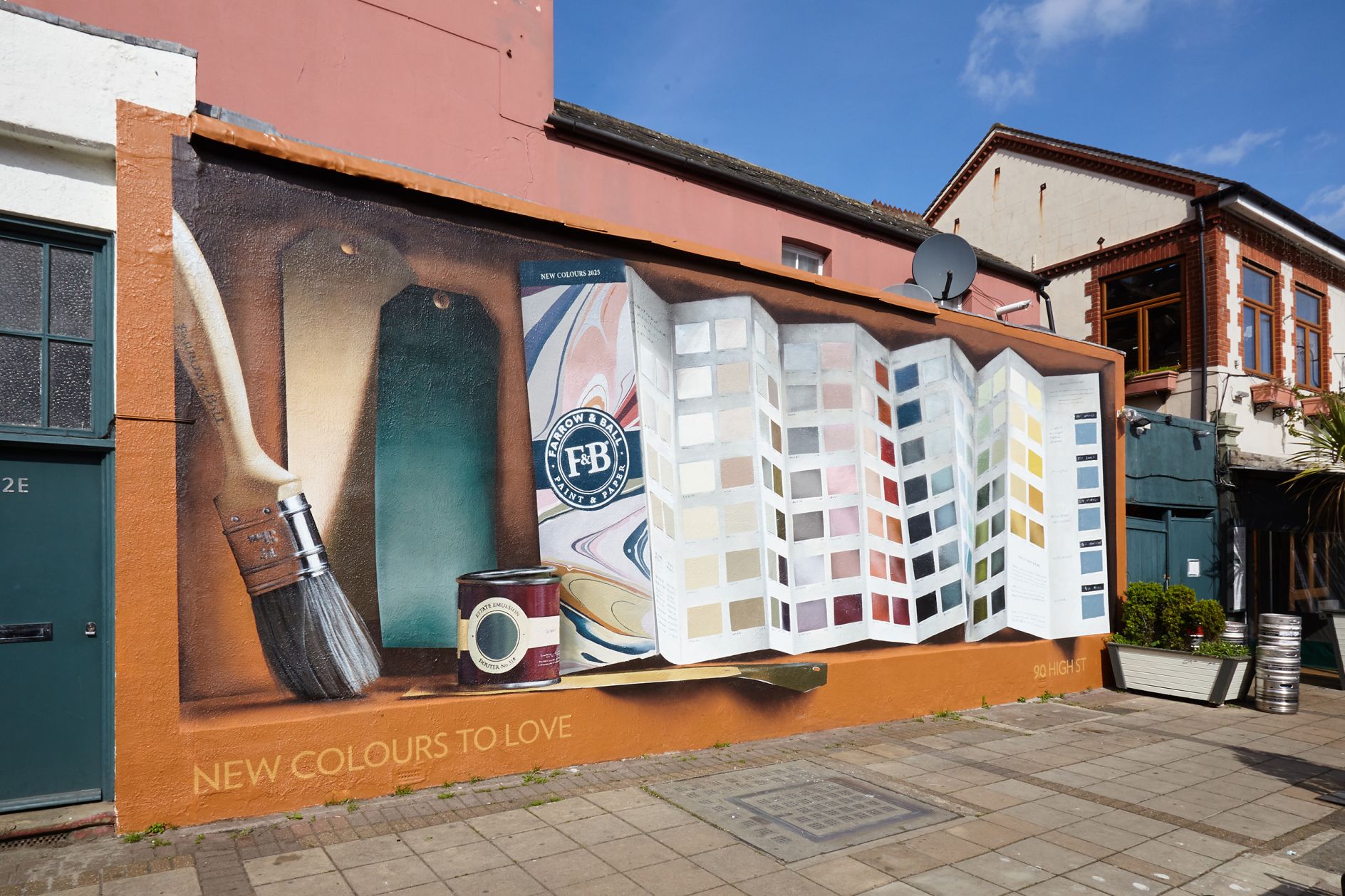
Credit: Creative Boom
One of the year’s most distinctive campaigns: Farrow & Ball brought London's streets to life with a mural campaign.
The brand transformed public spaces across the capital, including Wimbledon, Richmond, Battersea, and Notting Hill, to celebrate the launch of 12 new colours.
In a world of digital everything, the brand embraced in-person experience with three-dimensional still-life scenes meticulously painted. It’s smart because it what the product says it does on the (paint) tin. It’s literally paint on walls…
It generated digital traction too. People stopped, snapped, and shared. So much so that there were over 355,000 organic online impressions, alongside a measurable uplift in showroom visits and dwell time.